Our Story
At the heart of Meraki Social Services is a story shaped by lived experience, cultural understanding, and a deep commitment to human dignity. Meraki was founded from years of frontline work supporting children, young people, and families navigating complex systems often during their most vulnerable moments. Through work across Child Safety, disability services, refugee and migrant services, and behaviour support, our founder witnessed firsthand how people can be misunderstood, labelled, or overlooked when systems focus on risk rather than strength. These experiences, combined with personal insight into cultural barriers and stigma around mental health, became the driving force behind Meraki Social Services.
The name Meraki means doing something with soul, creativity, and love, leaving a piece of yourself in your work. This philosophy guides everything we do. At Meraki Social Services, we believe behaviours with risk of harm do not exist in isolation. They are meaningful responses to a person’s environment, experiences, unmet needs, and disability. Our role is not to “fix” people, but to listen, understand, and work alongside individuals and their support networks to create safe, empowering, and sustainable change.
Our behaviour support practitioners are grounded in Positive Behaviour Support, person-centred practice, and strengths-based frameworks. We take the time to understand each person’s story, recognising personal agency and autonomy as central to meaningful outcomes. Behaviour Support Plans are developed collaboratively and thoughtfully, ensuring they are practical, respectful, and responsive to the individual’s real-world context.
We understand that the journey toward positive change can feel overwhelming, especially for families and carers supporting someone with complex needs. That’s why Meraki offers consistent, compassionate, and culturally responsive support. We walk alongside participants, families, and teams from assessment through to implementation, providing guidance, education, and reassurance every step of the way.
Meraki Social Services exists to create calm where there is chaos, understanding where there is stigma, and hope where systems have fallen short. We are committed to supporting individuals to live safer, more fulfilling lives, not by controlling behaviour, but by changing environments, strengthening supports, and honouring each person’s right to be heard.

Stories of Transformation
“Thanks to Meraki Social Services, my son has gained confidence and is now more engaged in his daily activities. The support we received has been life-changing.” – Emily, Parent
“The personalised support plan provided by Meraki has helped me understand and manage my emotions better. I feel more in control of my life.” – Alex, Participant
“Our family has seen remarkable improvements in our daughter’s behaviour. The team at Meraki truly cares and has made a significant difference in our lives.” – Sarah, Parent

Individualised Behaviour Support
Meraki Social Services delivers Positive Behaviour Support that is respectful, individualised, and focused on the person. We take the time to understand each situation carefully and provide support that is responsive, considered, and appropriate to individual needs.
We provide NDIS Positive Behaviour Support (PBS) to youths, teenagers, adults, and people living with dementia. We recognise that behaviour is often a way of expressing unmet needs, emotional experiences, or environmental challenges. Our work focuses on understanding these factors and developing supports that promote safety, wellbeing, and positive engagement.
Across all stages of life, from adolescence through adulthood and into later years, our approach remains consistent. We prioritise dignity, person-centred practice, and compassionate support, ensuring each individual is treated with respect and understanding.
Person Centred NDIS Behaviour & Therapeutic Supports in Tasmania
Support should never feel generic especially when it shapes someone’s life.
What a Functional Behaviour Assessment Really Involves Under the NDIS
A Functional Behaviour Assessment (FBA) is a core component of NDIS Positive Behaviour Support, yet it is often misunderstood. Many people assume it is a checklist or a one-time observation. In practice, a Functional Behaviour Assessment is a structured, ongoing...

Emotional Regulation Strategies to Support Participants Through NDIS Positive Behaviour Support
Emotional regulation is a key focus of many NDIS Behaviour Support Plans. Difficulties regulating emotions can contribute to behaviours of concern such as aggression, withdrawal, self-injury, or heightened anxiety. Positive Behaviour Support addresses emotional...
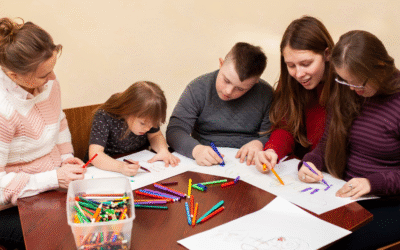
Understanding NDIS Positive Behaviour Support: A Person-Centred Approach
Understanding NDIS Positive Behaviour Support: A Person-Centred Approach Positive Behaviour Support (PBS) is a key evidence-based service funded under the National Disability Insurance Scheme (NDIS). It is designed to support NDIS participants who experience...